

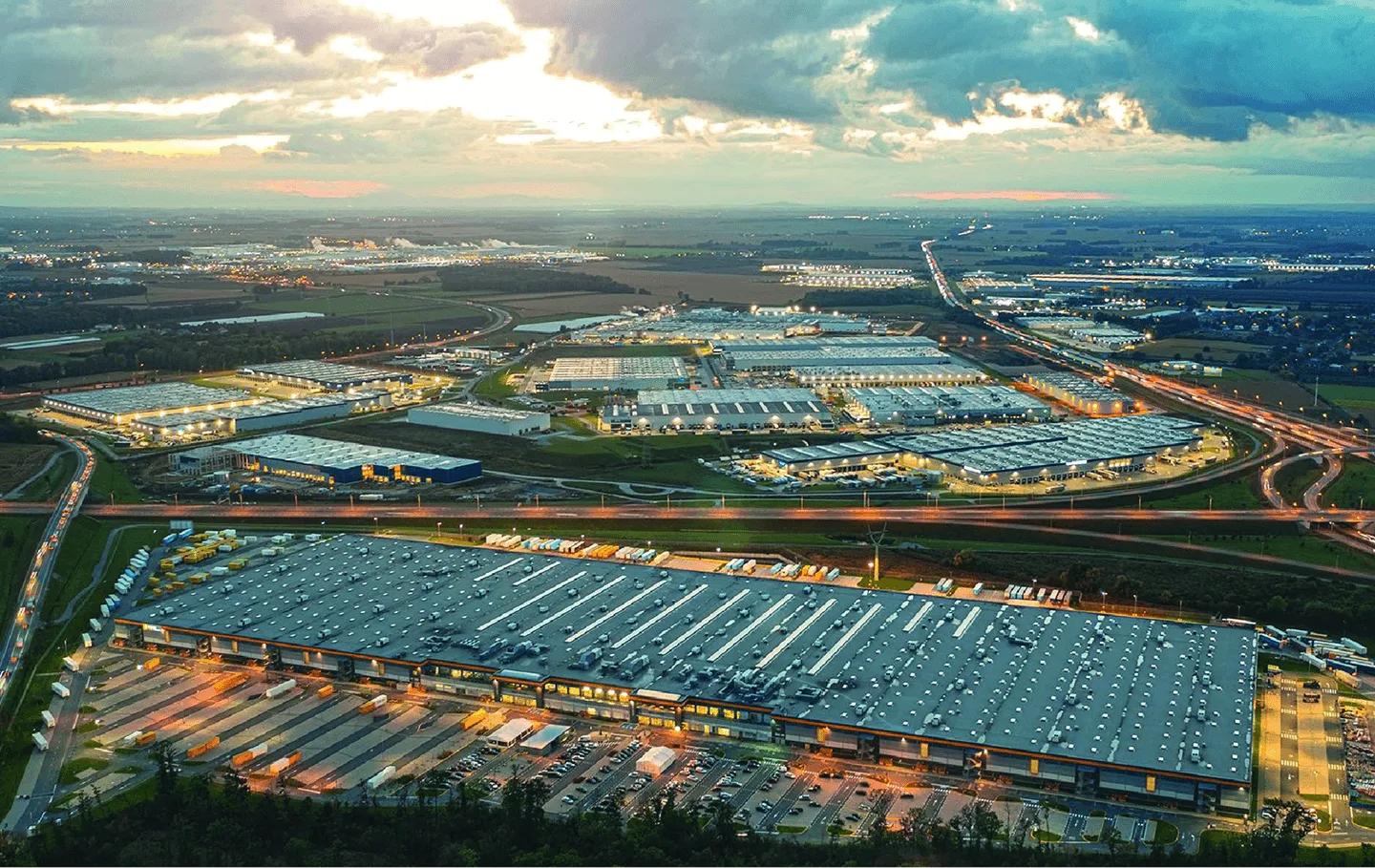
Economic development hubs for well-being
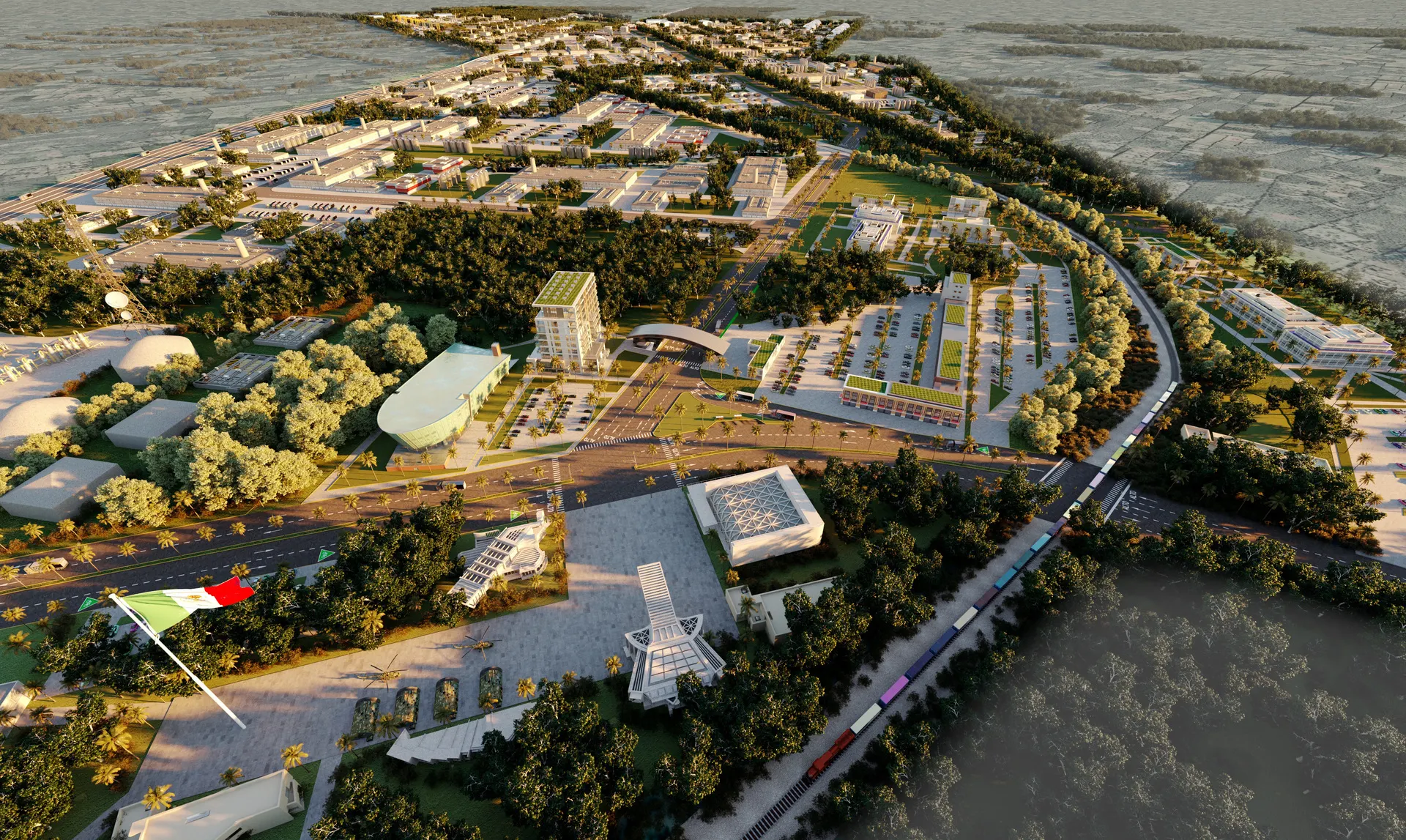
Economic development hubs for well-being
Designed to stimulate economic activity and foster shared prosperity, aligned with the economic and social objectives of Mexico’s National Targeted tax incentives based on productive activity, Development Plan
Center of Mexico's Republic
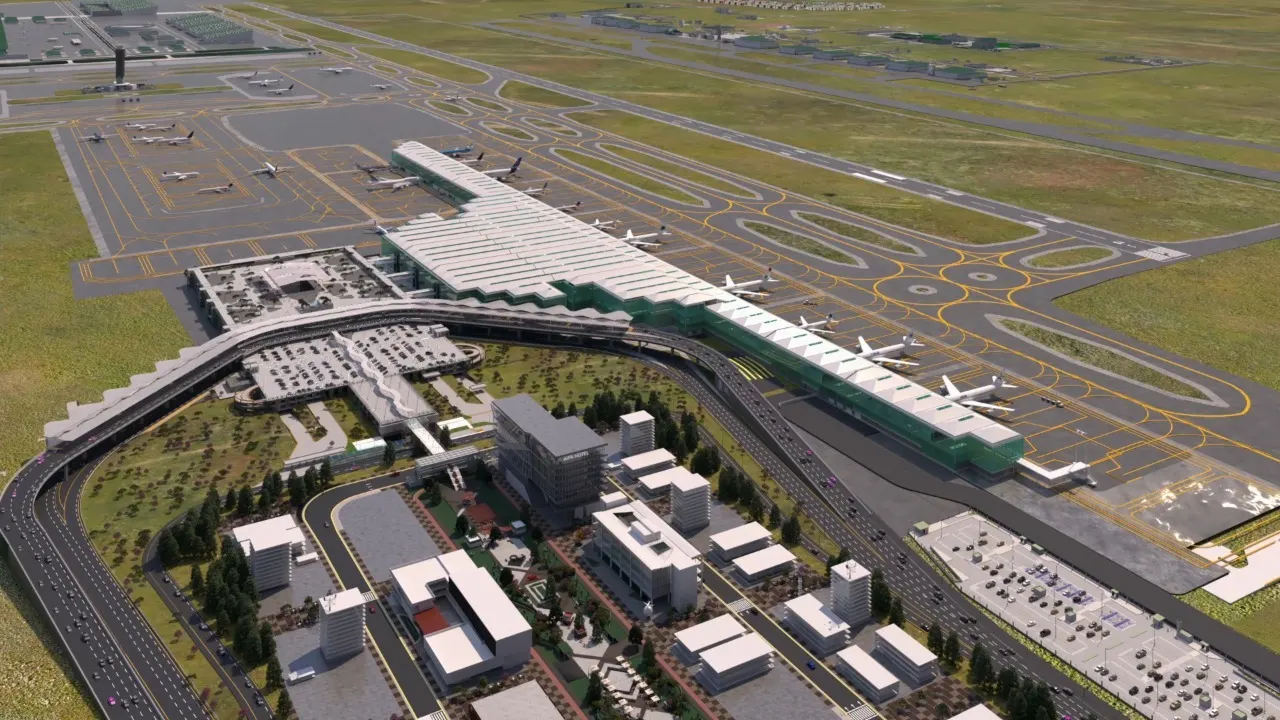

Center of Mexico's Republic
910.81 hectáreasLocation in the central national trade corridor:
Northern Mexico Border
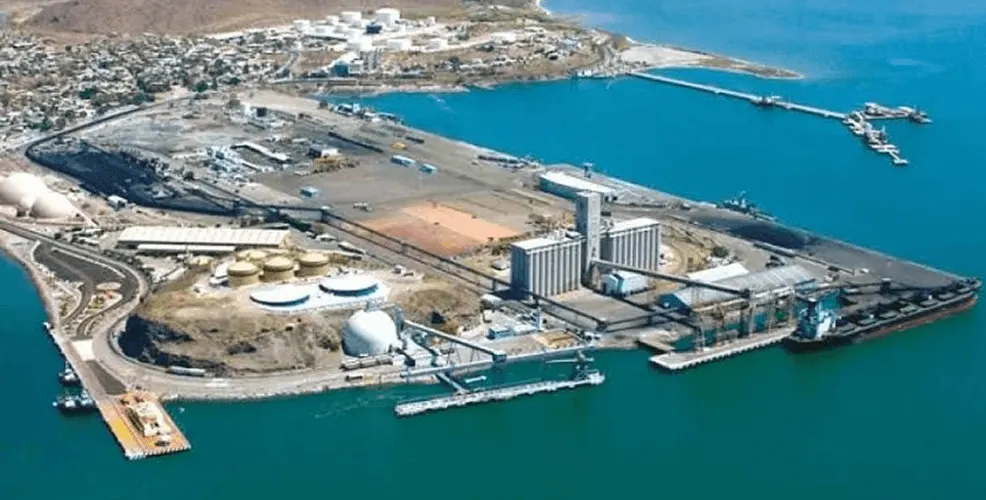

Northern Mexico Border
60.32 hectáreasLocated at the Santa Teresa – San Jerónimo border crossing:
Zinapécuaro, Michoacán
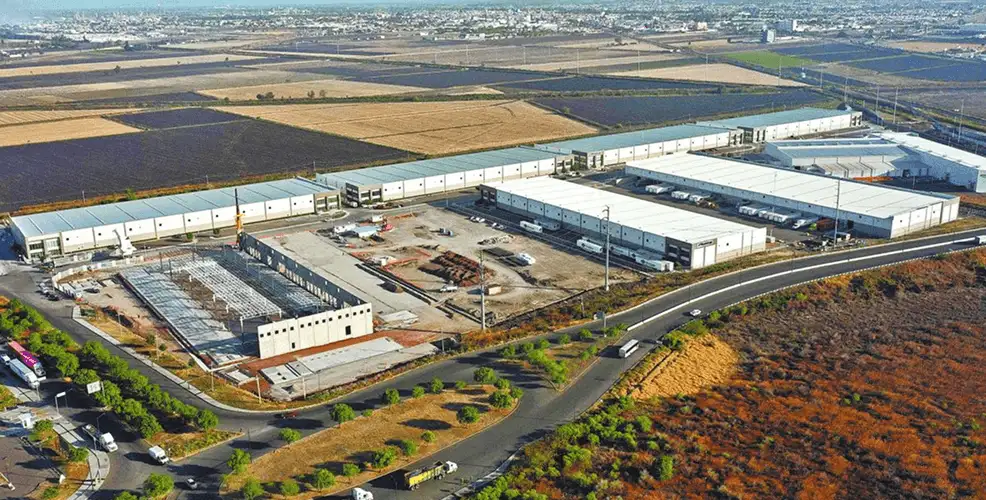

Zinapécuaro, Michoacán
342 hectáreasLocated in the Golden Triangle (CDMX–Morelia–Guadalajara):
San José Chiapa, Puebla
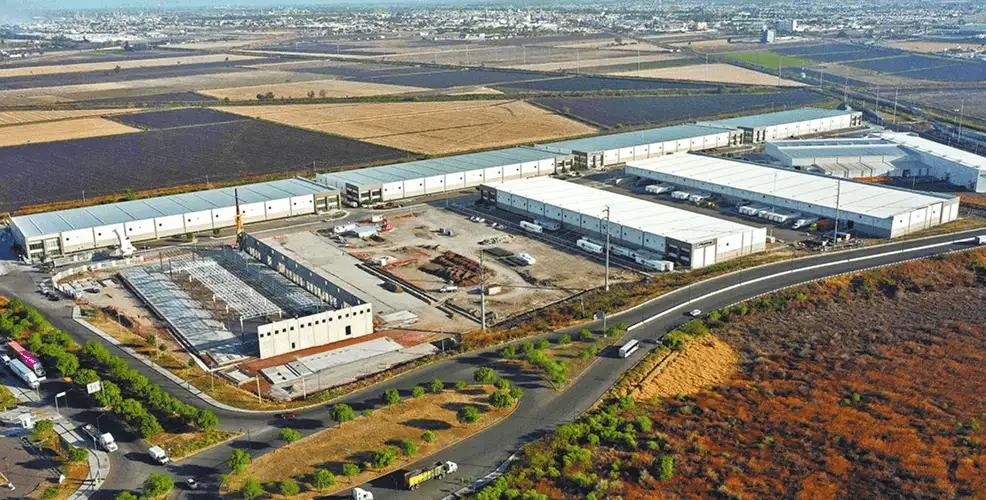

San José Chiapa, Puebla
217.7 hectáreasKey location for logistics and industrial development:
Puebla–Tlaxcala–Veracruz Industrial Corridor
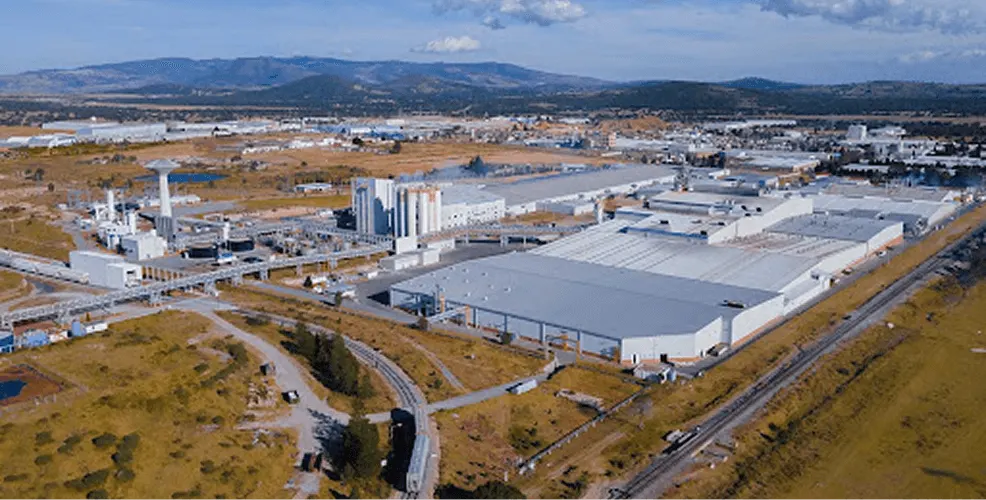

Puebla–Tlaxcala–Veracruz Industrial Corridor
53 hectáreasPrime location in the heart of Mexico:
in to learn more.
Economic Development Poles for Well-being
Development poles designed to boost economic activity and promote shared prosperity based on the economic and social effects of Plan México.
Return
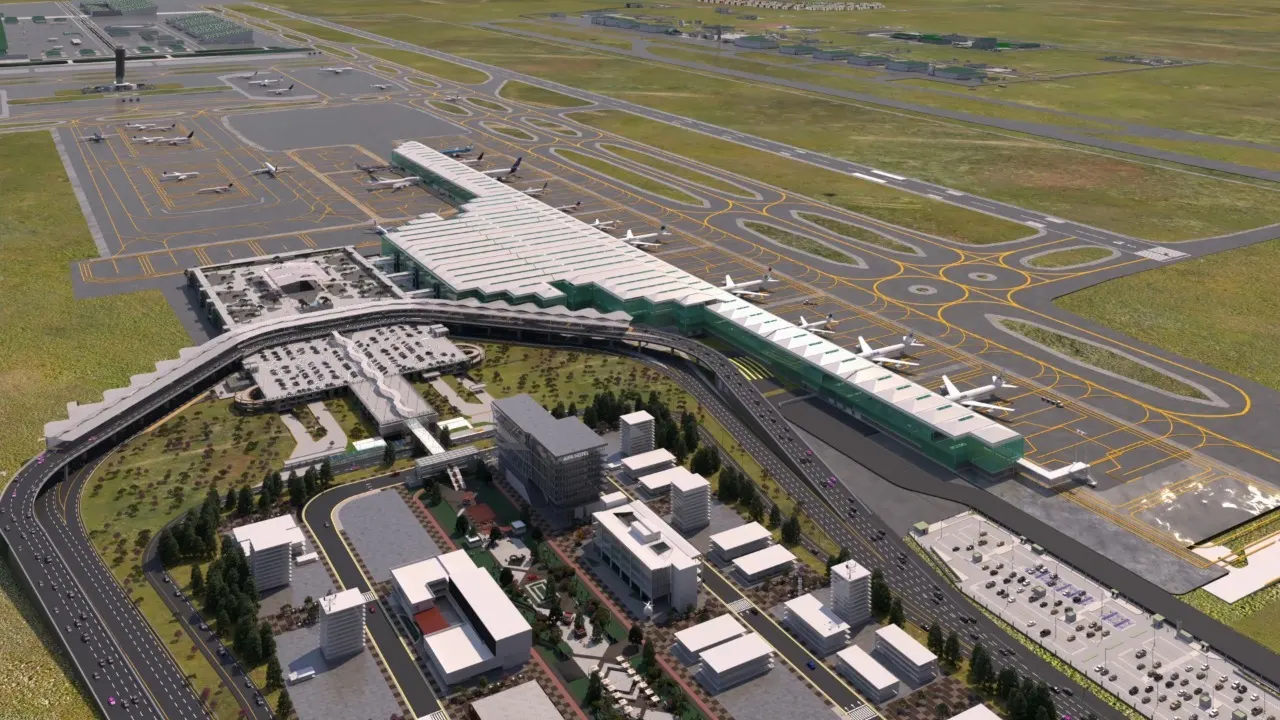

Zapotlán, Hidalgo
Center of Mexico's Republic
910.81 hectaresKey Competitive Advantages
-
Carretera Arco Norte y Federal 85D
-
Aduanas 50 NLU. Capacidad de carga de 470 mil toneladas.
-
Aeropuertos Internacional. Felipe Ángeles (29 km) y Aeropuerto Nacional Ingeniero Juan Guillermo Villasana (15 km)
-
Terminal intermodal (en planeación)
These are interconnected productive ecosystems, where the State acts as an investment promoter, a driver of local capacities, and a facilitator of public and logistical services through:
These hubs are designed to stimulate economic activity and foster shared prosperity, aligned with the economic and social objectives of Mexico’s National Development Plan.
Key Competitive Advantages
Diversified productive profiles.
Strategic industries with strong scaling potential.
Mexico has 14 Free Trade Agreements providing:
preferential access to more than 50 countries across North America, Europe, Asia, and Latin America.
Strategic Sectors
Technological Differential
Connectivity and logistics
170,000 km of roads, including federal highways and industrial corridors.
27,000 km of rail network, with connections to the northern border, ports, and production centers.
102 ports and port terminals, including those on the Pacific and Gulf of Mexico.
77 commercial airports, 29 of which are international, including AIFA (Felipe Ángeles International Airport).
More than 50 customs offices operating for foreign trade.
Talent Availability
34 technical training programs aligned with strategic sectors.
Over 90 upper-secondary education institutions
Mexico develops a strong talent pipeline: approximately 130,000 STEM graduates per year, one of the highest proportions in the OECD
More than 300,000 students are currently enrolled in STEM programs at the undergraduate and graduate levels nationwide
Tax Framework
100% immediate income tax (ISR) deduction on fixed income investments.
25% tax deduction for technical training.
25% tax deduction for innovation and technological development.
Streamlined federal administrative processes through a Single-Window System.
Various local incentives on taxes, permits, infrastructure, and talent development.
Scrol to see more